

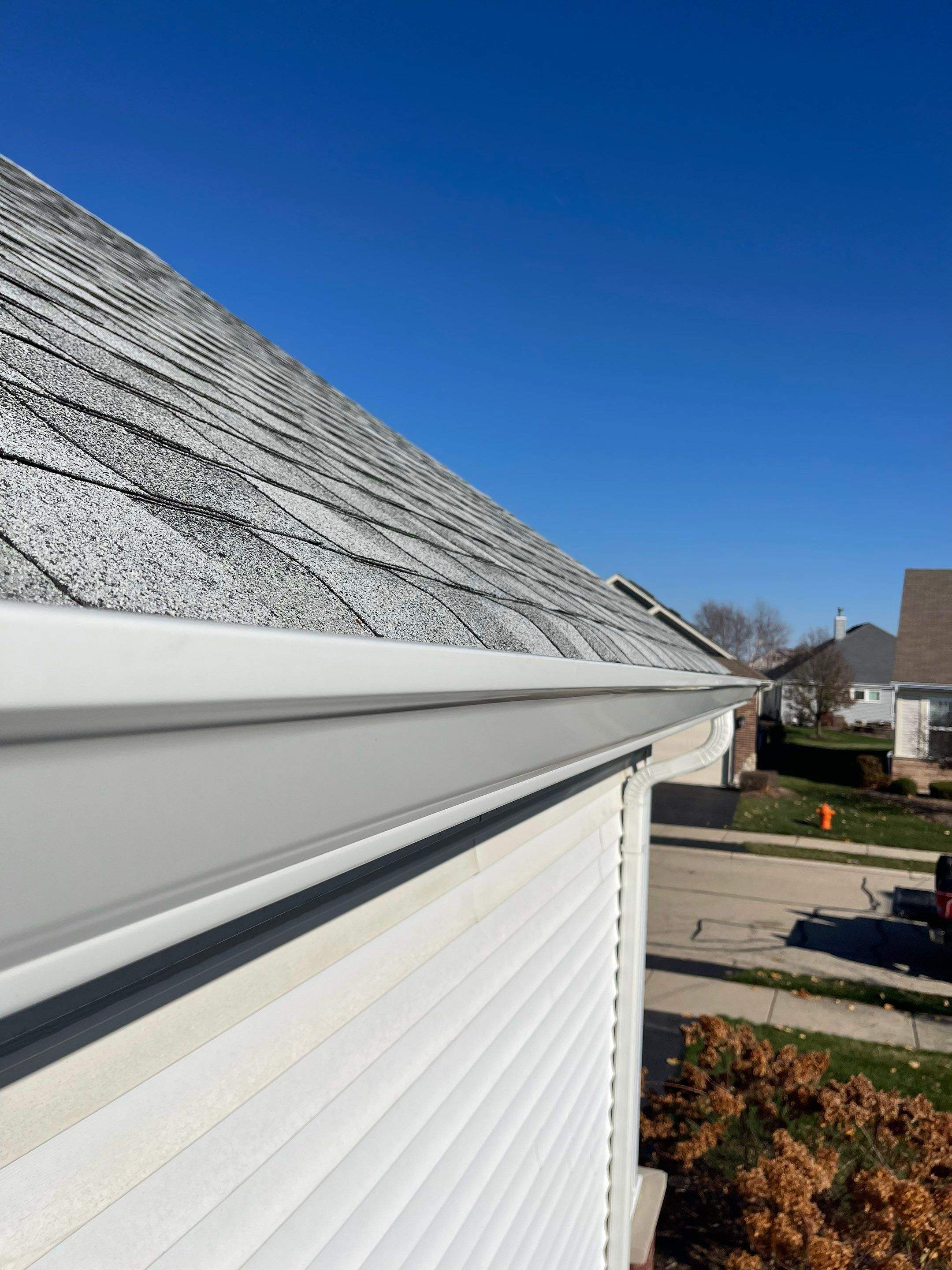
If you’re a homeowner, you’ve likely heard people talk about gutters, gutter cleaning, gutter guards, and gutter replacement. But many people still ask a simple but important question: what are gutters and why do they matter so much?
At State Restoration Services, we work with gutters every day — installing them, repairing them, maintaining them — and we know just how essential they are for the health and longevity of your home. This guide will explain what gutters are, what they do, why they’re necessary, and how to keep them working properly.
Whether you're a new homeowner or simply want to understand your home better, this is everything you need to know.
What Are Gutters? The Simple Definition
Gutters are long, narrow channels installed along the edges of your roof. Their main purpose is to collect rainwater and direct it away from your home’s foundation, walls, and landscaping.
When people search “what are gutters,” the simplest explanation is this:
➡️ Gutters are your home’s drainage system for rainwater.
Without gutters, water would pour directly off the roof and cause significant damage over time.
What Do Gutters Actually Do?
Understanding what are gutters also means understanding their role in protecting your home.
Gutters help prevent:
-
Foundation cracks
-
Basement flooding
-
Siding damage
-
Soil erosion
-
Mold and mildew
-
Roof leaks
-
Damage to fascia boards
-
Staining on exterior walls
-
Landscaping destruction
Every time it rains, your gutters manage hundreds of gallons of water — redirecting it safely away from your property.
The Main Components of a Gutter System
When learning what are gutters, it’s useful to understand the full system, not just the gutter channel itself.
Here are the main parts:
1. Gutters (Channels)
These run horizontally along your roofline and collect rainwater.
2. Downspouts
Vertical pipes that move water from the gutters down to the ground.
3. Elbows
Angled pieces that direct water flow through corners or turns.
4. End Caps
Placed at the ends of gutters to keep water contained.
5. Hangers and Brackets
Support the gutters and keep them attached securely.
6. Splash Blocks or Extensions
Placed on the ground to carry water away from your foundation.
Each component has an important job, and together they form a complete drainage system.
Why Are Gutters Necessary?
Once you understand what are gutters, the next question is: why are they so important?
1. Foundation Protection
Water pooling around your home leads to:
-
cracks
-
soil shifting
-
basement leaks
-
costly structural damage
Gutters prevent all of this by redirecting water far away.
2. Roof Protection
Without gutters, water collects along the edges of your roof, damaging:
-
shingles
-
fascia boards
-
soffits
This leads to rot and leaks.
3. Siding Protection
Water running down the side of your home causes:
-
mold
-
warping
-
staining
-
deterioration
Gutters eliminate this constant water exposure.
4. Yard and Landscaping Protection
Heavy runoff erodes soil, ruins mulch, and destroys plants.
A gutter system controls the flow of water so your landscaping stays intact.
5. Prevention of Ice Dams
In cold climates, uncontrolled roof water freezes into ice dams, which cause leaks and structural damage. Gutters, when maintained correctly, reduce this risk.
What Are Gutters Made Of?
Understanding what are gutters also means knowing the materials they come in.
Common gutter materials include:
Aluminum
-
Most popular
-
Lightweight and durable
-
Resistant to rust
-
Long-lasting
Vinyl
-
Affordable
-
Easy to install
-
Not ideal for extreme temperatures
Steel
-
Strong and durable
-
Can rust over time
Copper
-
Premium appearance
-
Extremely long-lasting
-
Expensive but beautiful
Seamless Aluminum
-
Custom-made on-site
-
No seams = fewer leaks
-
Best long-term performance
Types of Gutter Styles
When asking what are gutters, homeowners also want to know which styles exist.
1. K-Style Gutters
Most common for residential homes, shaped like the letter “K.”
They hold more water and blend well with modern homes.
2. Half-Round Gutters
Rounded shape, often seen on older or historic homes.
Beautiful but usually more expensive.
3. Box Gutters
Large and hidden within the structure.
Common on commercial buildings or custom homes.
Each style has its own benefits depending on the home’s design.
How to Maintain Gutters Properly
Once you understand what are gutters, the next step is learning how to care for them.
1. Clean Them Regularly
Most homes need cleaning twice a year — spring and fall.
2. Inspect for Damage
Look for:
-
leaks
-
cracks
-
sagging
-
loose brackets
-
rust
Fix small issues early to prevent major repairs.
3. Keep Downspouts Clear
Downspouts must carry water at least 4–6 feet away from the house.
4. Install Gutter Guards
These reduce debris buildup, clogs, and cleaning frequency.
5. Repair or Replace When Needed
If your gutters are old, sagging, leaking, or constantly overflowing, it might be time to replace them.
State Restoration Services offers complete inspection, repair, and replacement services.
What Happens If You Don’t Have Gutters?
Understanding what are gutters becomes even clearer when you know what happens without them:
-
water damages your foundation
-
soil erodes around the home
-
basement flooding becomes more likely
-
moss and mildew appear
-
siding deteriorates
-
roof edges rot
-
landscaping gets destroyed
Gutters are one of the smallest investments with the biggest impact on home protection.
Do Gutters Increase Home Value?
Yes — because they:
-
prevent structural issues
-
show buyers the home is well-maintained
-
improve curb appeal
-
extend the life of roofing and siding
Homes without gutters often scare potential buyers away.
Final Thoughts
So, what are gutters?
They are an essential drainage system that protects your home from water damage, structural decay, and costly repairs. From keeping your foundation dry to preserving your roof and siding, gutters quietly do some of the most important work on your property.
View our residential roofing page for more information, or book free inspection here.
If your gutters need cleaning, repair, or replacement — or if you want a professional inspection — State Restoration Services is here to help keep your home safe and protected year-round.