

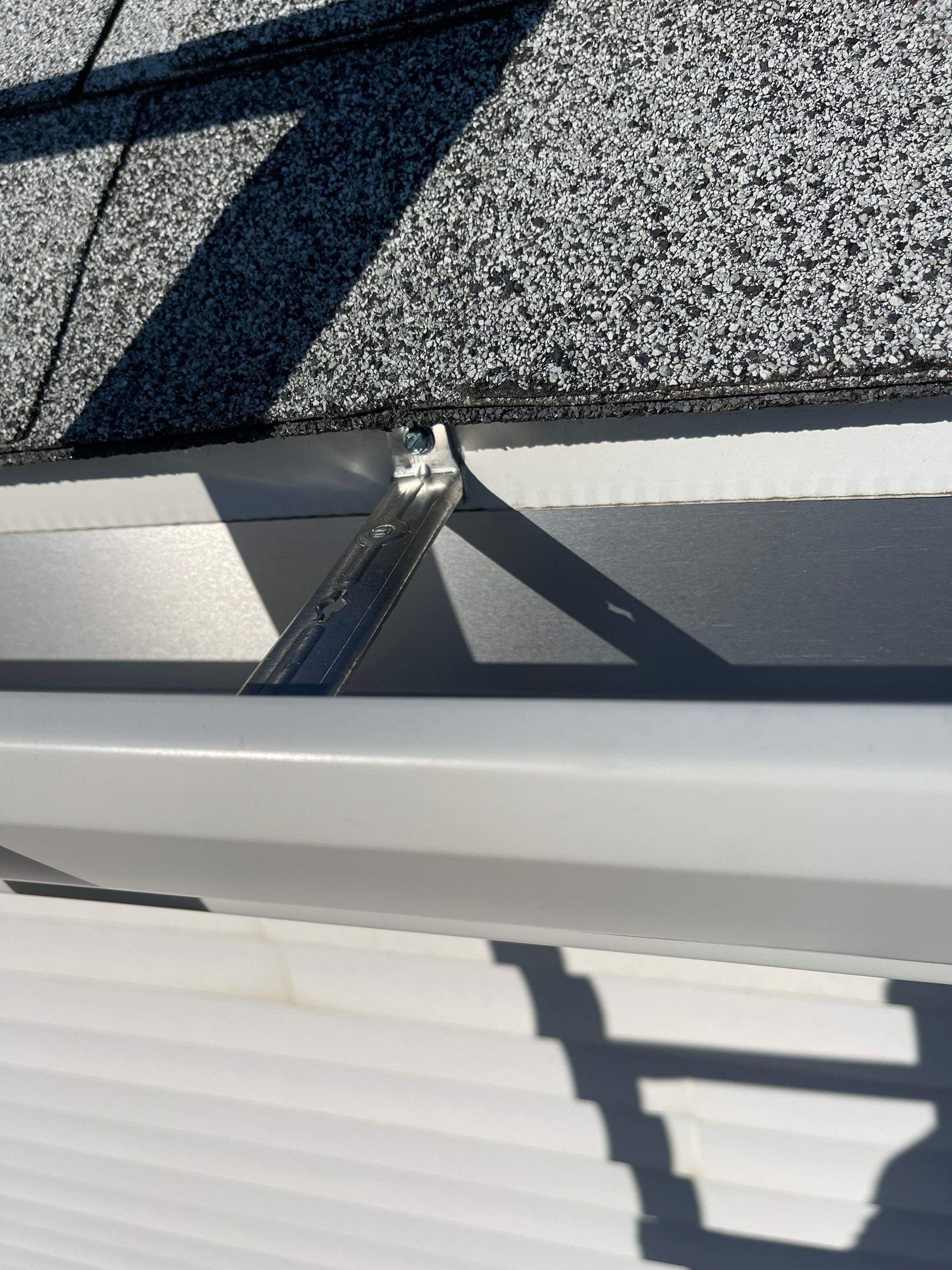
If you’re a homeowner wondering how to install rain gutters, you’re already on the right path. Rain gutters are one of the most important drainage components on any property. They protect your home from water damage, foundation cracks, soil erosion, mold growth, and even roof deterioration. The good news? With the right instructions, tools, and a little patience, installing gutters is a project many homeowners can manage themselves.
As State Restoration Services, we’ve installed thousands of gutter systems across countless homes. Below, we’ve created one of the most complete and easy-to-follow guides on how to install rain gutters. Whether you're upgrading old gutters or installing a system for the first time, this guide covers everything you need to know.
Why Gutters Matter More Than You Think
Before diving into the installation steps, it’s important to understand why gutters are essential:
-
They direct rainwater away from your home.
-
They protect your foundation from cracks caused by pooling water.
-
They prevent basement flooding and soil erosion.
-
They keep moisture away from siding, doors, and windows.
-
They extend the lifespan of your roof by preventing water backup.
Without a proper gutter system, even a well-built home becomes vulnerable to costly water damage.
Tools and Materials You Will Need
To learn how to install rain gutters efficiently, gather all necessary tools beforehand. Here’s a useful list:
Tools:
-
Tape measure
-
Level or laser level
-
Tin snips
-
Chalk line
-
Drill and drill bits
-
Screwdriver
-
Ladder
-
Safety gloves
-
Safety glasses
Materials:
-
Gutter sections (aluminum, vinyl, or steel)
-
Gutter hangers or brackets
-
Downspouts
-
Elbows
-
End caps
-
Drop outlets
-
Screws / gutter screws
-
Gutter sealant
-
Splash blocks or extensions
Step 1: Measure and Plan Your Gutter Layout
Everything starts with planning. Measure the entire roofline where gutters will be installed. For accuracy:
-
Measure each roof edge individually.
-
Decide where you want your downspouts to go—usually at the corners or areas with the best drainage.
-
Plan a slight downward slope toward each downspout (typically 1/4 inch per 10 feet).
This slope is crucial. Without it, water will sit inside the gutter instead of flowing out.
Step 2: Mark the Slope with a Chalk Line
To show you truly how to install rain gutters the right way, here is a key detail many skip: slope alignment.
-
Mark the highest point of your gutter run about 1 inch below the roof edge or drip edge.
-
From there, measure downward 1/4 inch for every 10 feet toward the downspout location.
-
Snap a chalk line between the two points.
-
This line will serve as your installation guide and ensure proper water flow.
Step 3: Install Gutter Hangers or Brackets
Gutters need solid support to withstand rain, snow, wind, and debris.
-
Install hangers every 24 to 36 inches along your chalk line.
-
Screw the hangers firmly into fascia boards—not into the roof itself.
-
For high-snow regions, go closer (every 24 inches).
Strong hanger support is one of the most important factors in long-lasting gutters.
Step 4: Cut and Assemble Gutter Sections
Next, cut your gutter pieces to the correct length using tin snips.
Tips:
-
Always measure twice and cut once.
-
If two gutter sections meet in the middle, overlap them by 2 inches.
-
Add sealant at the seam to prevent leaks.
Attach end caps to the gutter ends by snapping them into place and sealing the inside edge.
Step 5: Install Drop Outlets
A drop outlet connects the gutter to the downspout. To install one:
-
Mark the location where the downspout will be.
-
Place the outlet on the gutter section and trace its shape.
-
Cut the hole using snips.
-
Insert the outlet and seal around it.
This step is essential for proper drainage.
Step 6: Mount the Gutter to the Fascia
With your hangers in place and gutter sections ready:
-
Lift the gutter into position using your chalk line as a guide.
-
Snap or screw the gutter into the hangers.
-
Make sure the gutter sits level with the slope line, not the roofline.
Do this carefully, working from one end of the house to the other.
Step 7: Attach the Downspouts
Downspouts are what carry the water away from your home.
Here’s how to install downspouts properly:
-
Connect the first downspout elbow to the outlet.
-
Measure the vertical distance from the elbow to the ground.
-
Cut your downspout section to fit.
-
Connect sections using screws and sealant.
-
Add a final elbow at the bottom to direct water away from your foundation.
-
Use downspout straps to secure the downspout to the wall every 6–8 feet.
Finish by placing a splash block under the discharge point if needed.
Step 8: Seal All Joints and Test the System
Use high-quality gutter sealant at:
-
Seams
-
End caps
-
Drop outlets
-
Elbow connections
Once sealed, pour a bucket of water into the gutter and watch the flow. It should run smoothly toward the downspout with no pooling or leaks.
Step 9: Clean Up and Inspect Your Work
Make sure:
-
No sharp edges are exposed
-
All debris is removed
-
All screws are tight
-
Downspouts are anchored
-
Slope is correct
A quick visual inspection can save you from future repairs.
Professional Tip from State Restoration Services
Even if you now understand how to install rain gutters, remember that gutter systems must handle thousands of gallons of water during a storm. If your roofline is steep, tall, or unusually shaped, or if your fascia is damaged, hiring a professional is highly recommended.
At State Restoration Services, we can install your gutter system with precision, ensure proper slope, seal all joints correctly, and leave your home fully protected from water damage.
Final Thoughts
Learning how to install rain gutters is a great project for hands-on homeowners. With the right tools, planning, and careful installation, you can protect your home from costly water problems and improve your drainage system for years to come.
View our residential roofing page for more information, or book free inspection here.
If you'd like expert help or want a free inspection, reach out to State Restoration Services. We’re here to keep your home safe, dry, and protected from the elements.