

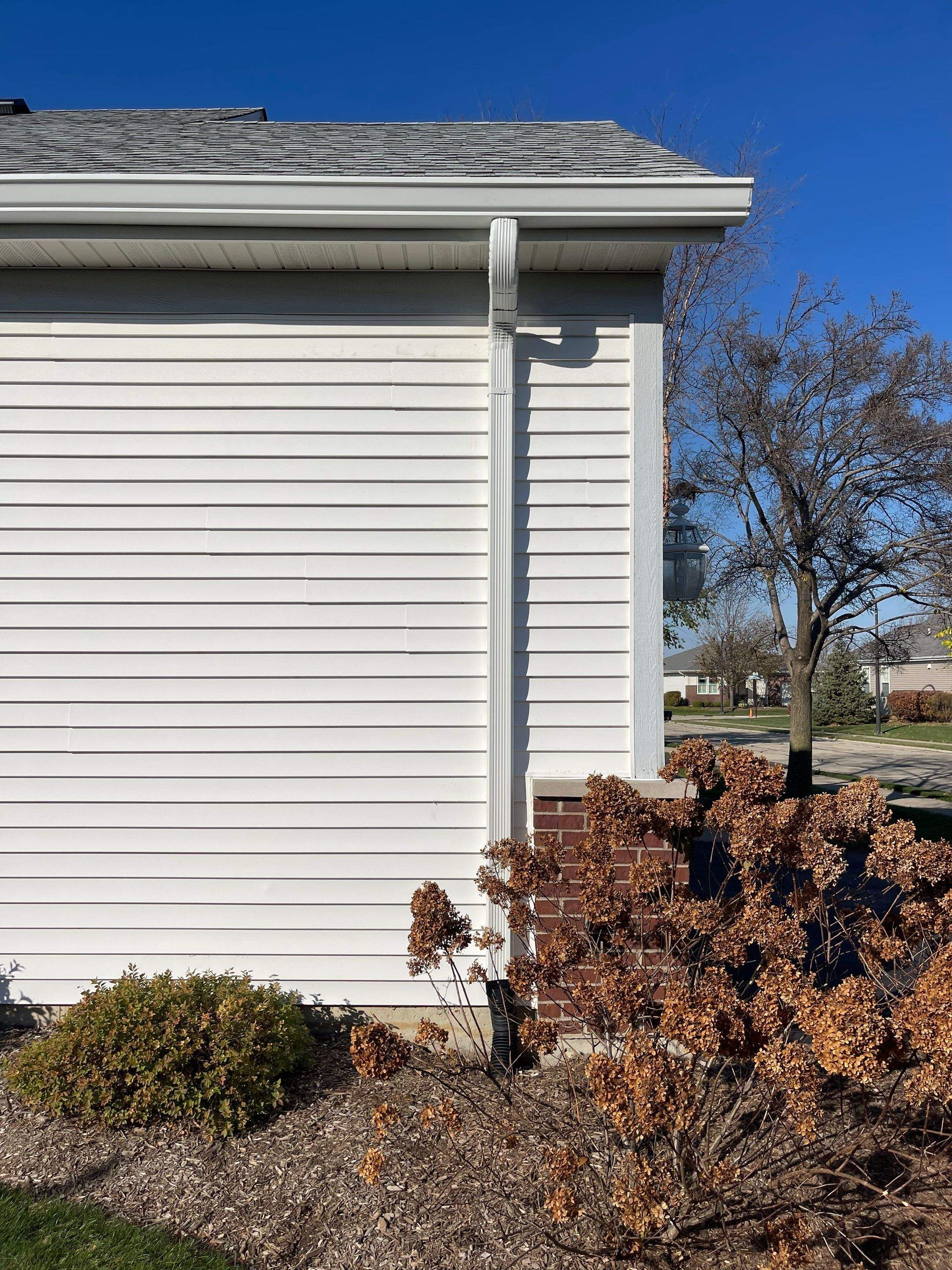
Gutters are one of the most important systems in protecting your home from water damage. They direct rainwater away from the foundation, prevent soil erosion, protect siding, and reduce the risk of roof leaks. Whether you're replacing an old system or installing gutters for the first time, learning how to install gutters correctly is essential.
While professional installation is always the safest and most reliable option, some homeowners with the right tools and a simple roofline may choose to install gutters themselves. This guide from State Restoration Services will walk you through everything you need to know — from tools and planning to step-by-step installation.
Should You Install Gutters Yourself?
Before diving into how to install gutters, it’s important to understand whether DIY is appropriate for your home.
DIY Installation May Work If:
-
Your home is one story
-
Your roofline is straight and simple
-
You’re installing sectional gutters
-
You feel comfortable working on ladders and using power tools
Hire Professionals If:
-
You want seamless gutters
-
Your home is two stories or more
-
Your roof has many angles or steep pitches
-
You want a long-term warranty
Improper installation can lead to leaks, sagging, water pooling, mold growth, and even foundation damage — which is why many homeowners choose to work with professionals.
Tools and Materials You Need
To learn how to install gutters properly, you first need the right equipment.
Tools:
-
Ladder
-
Tape measure
-
Tin snips or metal-cutting saw
-
Level or chalk line
-
Drill with screwdriver bits
-
Caulking gun
-
Pencil or marker
Materials:
-
Gutter sections (aluminum, vinyl, steel, or copper)
-
Gutter hangers or brackets
-
Downspouts
-
Elbows and connectors
-
Drop outlets
-
End caps
-
Screws
-
Silicone or gutter sealant
-
Splash blocks or extensions
Having everything ready before you start will make the installation smoother and safer.
How to Install Gutters: Step-by-Step Instructions
Below is a clear, detailed process for installing gutters correctly.
1. Measure Your Roofline
Accurate measurements are the foundation of learning how to install gutters properly.
-
Measure the length of each roof edge
-
Count corners and downspout locations
-
Add 10% extra for mistakes or trimming
This allows you to purchase the correct amount of materials.
2. Plan the Slope for Water Flow
Gutters require a slight slope so water flows toward the downspout.
Recommended Slope:
¼ inch drop for every 10 feet of gutter
Use a chalk line or level to mark the high and low ends.
A gutter installed without slope will pool water, overflow, and eventually sag — one of the most common beginner mistakes.
3. Mark and Install the Gutter Hangers
Hangers are the brackets that hold the gutter in place. Their spacing is crucial.
Spacing Guidelines:
-
Install every 2–3 feet
-
Add extra hangers near corners and downspouts
-
Screw into solid fascia boards only
Strong hangers ensure longevity and prevent sagging.
4. Cut Gutter Sections to Length
Use tin snips or a metal saw to cut your gutter sections.
Tips:
-
Measure twice, cut once
-
Smooth rough edges
-
Dry-fit pieces before attaching
If your gutter run is long, you may need connector brackets.
5. Attach End Caps and Seal Them
At each end of the gutter:
-
Slide on an end cap
-
Seal thoroughly with gutter sealant
-
Allow sealant to cure
A watertight seal prevents leaks — especially during heavy storms.
6. Install the Drop Outlet for the Downspout
Where the downspout will connect, you must install a drop outlet.
Steps:
-
Mark the location
-
Cut a hole using a hole saw
-
Insert the drop outlet
-
Seal the edges
This step is critical in learning how to install gutters because it ensures water drains properly.
7. Hang the Gutters on the Brackets
With your hangers installed and gutter sections prepped, it's time to hang them.
-
Lift the gutter section carefully
-
Slide it into the hangers
-
Align with your slope line
-
Tighten screws for a secure fit
This is the moment your gutter system begins to take shape.
8. Install the Downspouts
Downspouts guide water safely away from your foundation.
Steps:
-
Attach the first elbow to the drop outlet
-
Connect downspout sections with screws
-
Add another elbow at the bottom to direct water out
-
Install downspout straps to secure it to your wall
-
Add an extension or splash block to divert water 4–6 feet away
Proper downspout installation prevents flooding and erosion.
9. Seal All Joints and Connections
Use gutter sealant on:
-
joints
-
seams
-
outlets
-
end caps
Even small gaps can create big leaks — so sealing is essential.
10. Test the Gutter System
Once installed:
-
Run water through the gutters
-
Check for leaks or sagging
-
Ensure water flows smoothly toward downspouts
-
Make adjustments if necessary
Testing ensures your system is performing correctly before the next rainstorm.
Common Mistakes When Installing Gutters
Avoiding these errors is key to mastering how to install gutters:
❌ Not enough slope
Causes pooling and overflowing.
❌ Hangers spaced too far apart
Gutters sag under weight.
❌ Downspouts installed too close to the foundation
Can lead to basement moisture.
❌ Poor sealing
Leaks develop quickly.
❌ Choosing the wrong gutter size
5-inch gutters are standard, but many homes need 6-inch gutters for heavy rain.
How Much Does It Cost to Install Gutters?
Understanding how to install gutters also includes understanding costs.
DIY Installation:
-
Materials: $200 – $600
-
Tools: $50 – $200
-
Total: $250 – $800
Professional Installation:
-
Most homeowners pay $1,000 – $3,000
-
Includes seamless gutters, expert installation, and warranty
DIY is cheaper, but mistakes can be expensive.
Safety Tips for Installing Gutters
Working on ladders and handling long sections of metal can be dangerous.
-
Use a sturdy ladder
-
Never overreach
-
Wear gloves and safety glasses
-
Avoid installation on windy or rainy days
-
Have someone assist you when lifting long pieces
Your safety comes first.
Final Thoughts
Learning how to install gutters is valuable for any homeowner, whether you choose DIY or professional installation. With the right tools, careful measurements, and proper sealing, gutters can protect your home for decades.
View our residential roofing page for more information, or book free inspection here.
But if you want guaranteed performance, seamless installation, and long-term reliability, State Restoration Services is here to help. Our experts install high-quality gutter systems that keep your home safe, dry, and protected throughout the year.