

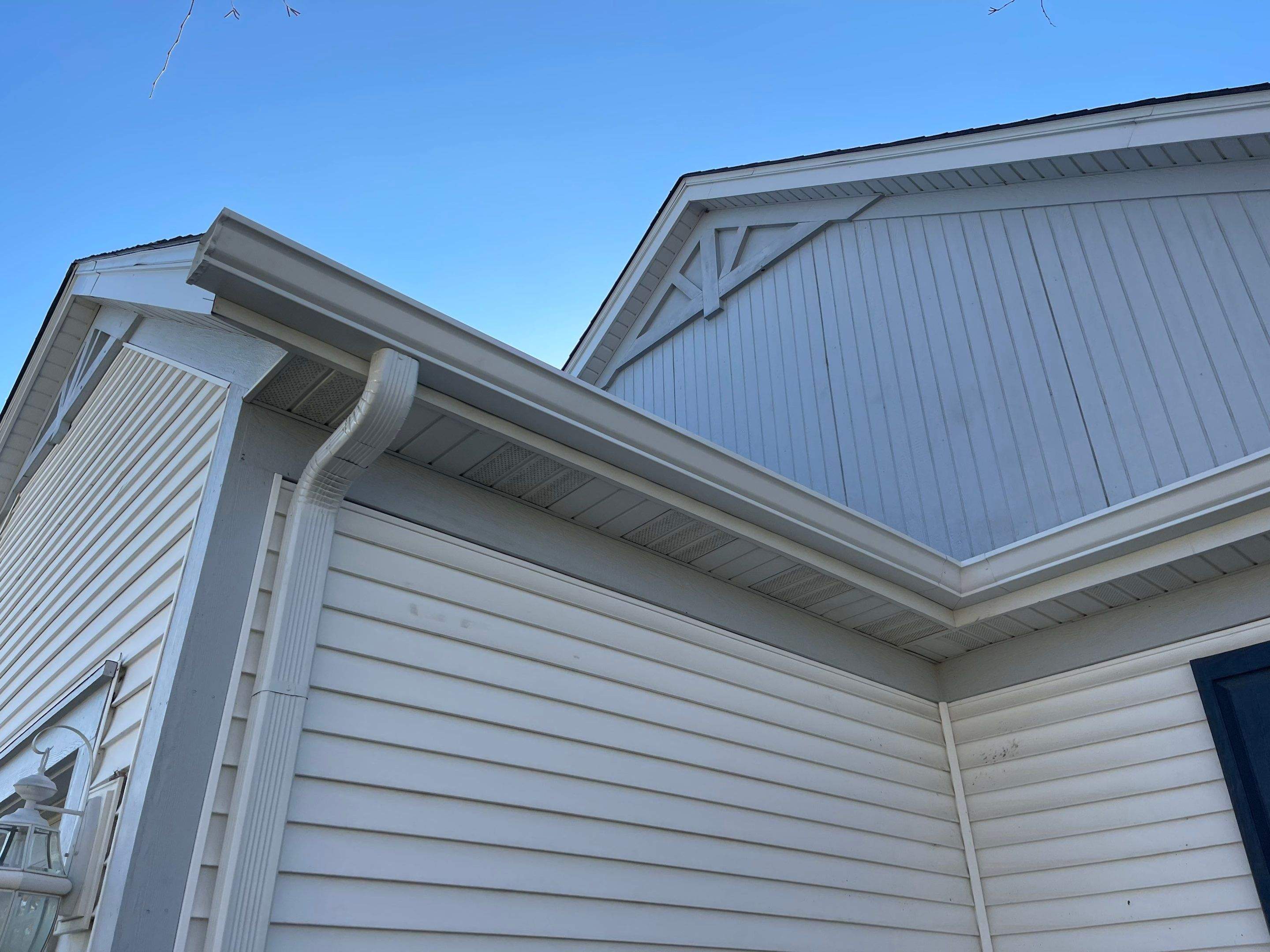
Gutters are one of the most important components of your home’s drainage system. They help protect your roof, siding, foundation, landscaping, and overall structure from water damage. But whether you are replacing old gutters or installing a brand-new system, one common question homeowners ask is how to hang gutters properly.
While professional installation is usually recommended — especially for large homes or seamless gutter systems — some homeowners prefer a DIY approach. Knowing how to hang gutters correctly can save you from leaks, sagging, overflow, and costly repairs later.
In this guide, State Restoration Services offers a clear, easy-to-follow explanation of how gutters are installed, what tools you need, and what mistakes to avoid.
Before You Begin: Should You Install Gutters Yourself?
Before learning how to hang gutters, it’s worth asking whether a DIY installation is right for you.
DIY may be suitable if:
-
your home is one story,
-
your roofline is simple,
-
you're using sectional gutters,
-
you’re comfortable working on ladders.
Hire professionals if:
-
your home is two stories or higher,
-
you prefer seamless gutters,
-
your roof pitch is steep,
-
you want guaranteed performance.
Gutter installation requires precision — an incorrect slope or poorly placed hanger can lead to major water problems.
Tools and Materials Needed
Before starting the process of how to hang gutters, gather the right tools:
Tools
-
ladder
-
tape measure
-
level or chalk line
-
drill
-
tin snips
-
caulking gun
-
string line
Materials
-
gutter sections
-
downspouts
-
hangers or brackets
-
end caps
-
elbow joints
-
screws
-
sealant
-
splash blocks or extensions
Having everything ready will ensure a smooth installation.
How to Hang Gutters: Step-By-Step Instructions
Here is the full process of installing gutters correctly and safely:
1. Measure Your Roofline Accurately
The first step in learning how to hang gutters is understanding how much material you need.
-
Measure the length of each roof edge.
-
Plan where downspouts will be located.
-
Order or purchase gutter sections based on your measurements.
Always add a few extra feet for mistakes or adjustments.
2. Plan the Slope for Proper Water Flow
Gutters don’t lie flat — they need a slight pitch to move water toward the downspouts.
Recommended slope:
¼ inch for every 10 feet of gutter
Mark the high and low points using a chalk line.
This ensures water flows correctly without pooling.
3. Mark and Install the Gutter Hangers
The next crucial step in how to hang gutters is placing the hangers.
Hangers are the brackets that hold your gutters in place.
Spacing guidelines:
-
Install every 2–3 feet
-
Add extra hangers near corners and downspouts
-
Ensure each one is secured into the fascia board
Proper spacing prevents sagging — a common cause of gutter failure.
4. Cut Gutter Sections to the Correct Length
Use tin snips or a metal saw to cut the gutter pieces.
Tips:
-
Measure twice, cut once
-
Smooth rough edges
-
Dry-fit each section before attaching
For long runs, gutters may need to be connected with slip joints or connector brackets.
5. Attach End Caps and Seal Them
At the ends of each gutter section:
-
Install end caps
-
Apply waterproof sealant
-
Allow it to dry before mounting the gutter
This prevents leaks at the edges — a common issue in DIY installations.
6. Mount the Gutter onto the Hangers
Now it’s time to physically hang the gutters.
-
Carefully lift the gutter section
-
Hook it into the hangers
-
Secure it fully in place
-
Check alignment with your chalk line
This step is where precision matters most in how to hang gutters.
7. Install the Downspouts
Downspouts direct water safely away from your home’s foundation.
Steps:
-
Cut a hole in the gutter using a hole saw.
-
Attach a drop outlet.
-
Connect elbow joints for proper direction.
-
Attach downspout sections with screws.
-
Add an extension or splash block at the ground level.
Downspouts should release water 4–6 feet away from your home.
8. Seal All Joints
Using a caulking gun and gutter sealant:
-
Seal joints
-
Seal end caps
-
Seal connectors
This ensures your system is watertight and long-lasting.
9. Test the Gutter System With Water
Once everything is installed, test the flow:
-
Run water through the gutters
-
Check for leaks
-
Confirm that water moves toward the downspouts
-
Make any needed adjustments
Testing is a critical final step in how to hang gutters, ensuring the system functions properly.
Common Mistakes to Avoid When Hanging Gutters
DIY installers often make small errors that lead to big problems.
Avoid these mistakes:
❌ Not adding enough slope
Water will pool and spill.
❌ Placing hangers too far apart
Gutters sag and overflow.
❌ Incorrect downspout placement
Water may fall too close to the foundation.
❌ Cutting gutter pieces inaccurately
Leads to leaks and misalignment.
❌ Using too little sealant
Even small gaps can cause major leaks.
❌ Not considering roof water volume
Some homes need 6-inch gutters instead of 5-inch.
How Much Does It Cost to Hang Gutters Yourself?
For homeowners wondering not only how to hang gutters but also the cost:
DIY cost estimate:
-
Materials: $200 – $600
-
Tools (if needed): $50 – $200
Budget-friendly, but risky if installed incorrectly.
How Much Does Professional Gutter Installation Cost?
Hiring a professional ensures:
-
correct slope
-
strong support
-
clean, seamless installation
-
no leaks
-
maximum lifespan
Professional installation range:
$1,000 – $3,000 for most homes
While the upfront cost is higher, the long-term value is significantly better.
Safety Tips When Hanging Gutters
Since gutter installation requires ladder work, safety is essential:
-
Use a sturdy extension ladder
-
Never overreach
-
Wear gloves and protective eyewear
-
Avoid installation during rain or wind
-
Have someone assist you when possible
Your safety is more important than saving a few dollars.
Final Thoughts
If you're learning how to hang gutters, remember that correct installation is crucial for protecting your home from costly water damage. From measuring and cutting to ensuring proper slope and sealing, every step matters.
While DIY gutter installation is possible for smaller homes, many homeowners prefer professional installation for long-term durability and peace of mind.
At State Restoration Services, we provide expert gutter installation, repair, and maintenance to ensure your home stays safe, dry, and protected year-round.
View our residential roofing page for more information, or book free inspection here.
Whether you're upgrading old gutters or installing new ones, we’re here to help.