

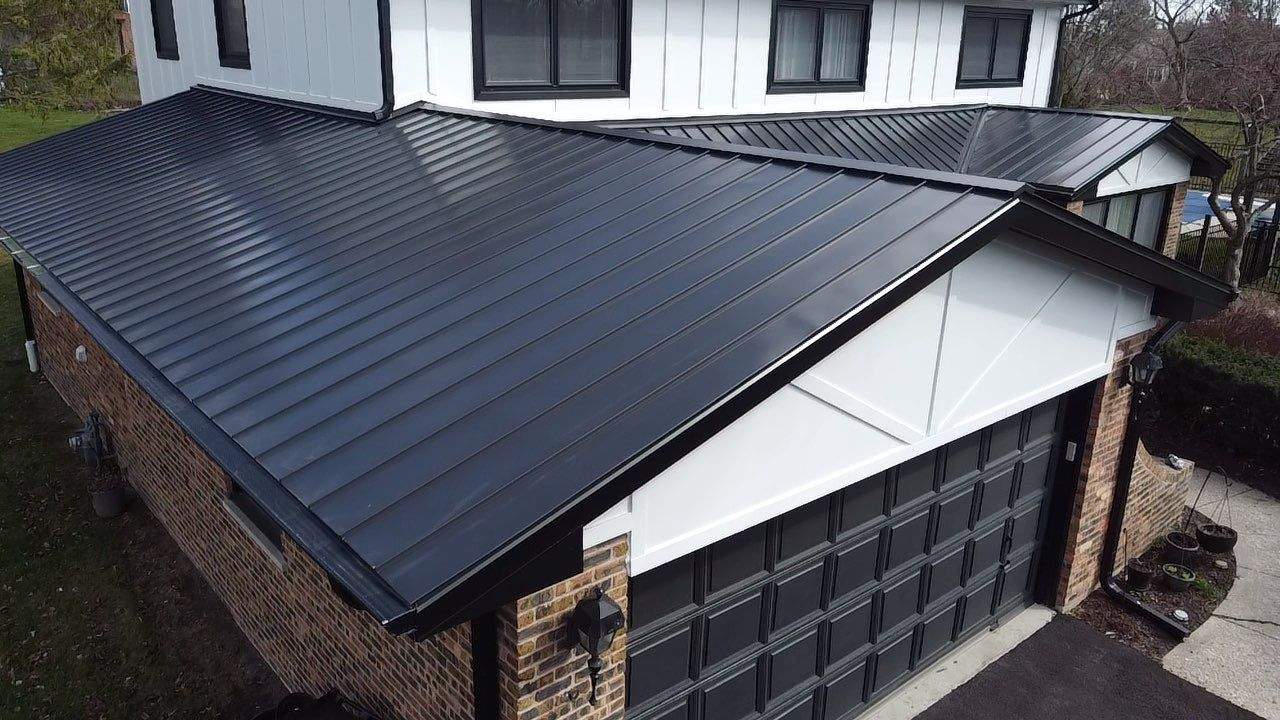
A free-standing roof — also known as a standalone roof, pavilion roof, patio roof, or detached shelter — is one of the best ways to add functional outdoor space to your property. Whether you want shade for your backyard, a roof over your grill area, a shelter for your car, or a simple structure for outdoor gatherings, knowing how to build a free standing roof can help you plan your project confidently and safely.
At State Restoration Services, we work with all types of roofing systems, and homeowners often ask us how such structures are built, what materials are needed, and whether they can build one themselves. This guide explains the full process, step-by-step, and offers professional insights to ensure your new structure is safe, durable, and long-lasting.
What Is a Free Standing Roof?
A free-standing roof is a roof supported by posts or columns that stands independently — not attached to the house, garage, or any existing structure. Examples include:
-
pergolas with solid roofing
-
garden pavilions
-
covered patios
-
grilling shelters
-
carports
-
shade structures
-
backyard gazebos
Learning how to build a free standing roof gives you flexibility to create a custom outdoor space that matches your needs and style.
Should You Build It Yourself or Hire a Professional?
Before diving into the process of how to build a free standing roof, it’s important to consider whether DIY is the best choice.
DIY May Work If:
-
you have basic carpentry skills,
-
the structure is small and simple,
-
local building codes allow DIY construction,
-
you are comfortable working with wood, tools, and ladders.
Hiring a Professional Is Recommended If:
-
the roof will be large or load-bearing,
-
you want a roof with shingles or metal panels,
-
the structure must support snow loads (important in Chicago),
-
you want a fully engineered design,
-
building permits are required.
A free-standing roof must support wind, rain, snow, and structural weight — so it must be built correctly from day one.
How to Build a Free Standing Roof: Step-by-Step Guide
Below is the complete process. Even if you plan to hire professionals, understanding these steps helps you plan the project better.
1. Determine the Purpose and Size of the Structure
Before you begin construction, define:
-
What the structure will be used for
-
How much covered space you’ll need
-
Whether people will gather underneath
-
Whether it needs electricity or lighting
-
Whether it must withstand heavy snow
The purpose determines the design.
For example:
-
A grill shelter can be small (6×8 ft)
-
A patio cover might be medium (10×12 ft)
-
A carport may need to be large (12×20 ft or more)
Sizing correctly is the first major step in learning how to build a free standing roof.
2. Check Local Building Codes and Permit Requirements
Every city has rules about free-standing structures. In many areas, including the greater Chicago region:
-
structures larger than a certain size require a permit,
-
the posts must be set to a specific depth,
-
certain roofing materials are required,
-
structures must meet wind and snow load standards,
-
electrical features require licensed installation.
Skipping this step can result in fines or needing to tear down the structure — so it is essential.
3. Gather Materials and Tools
Your materials will vary depending on the design, but most free-standing roofs require:
Materials:
-
pressure-treated posts (4×4, 6×6, or 8×8)
-
concrete mix
-
lumber for beams and rafters
-
metal post brackets
-
cross braces
-
roofing panels or shingles
-
plywood (if using shingles)
-
nails, screws, joist hangers
-
flashing (optional)
Tools:
-
post-hole digger or auger
-
circular saw
-
drill
-
hammer or nail gun
-
level
-
measuring tape
-
string line
-
ladder
The right materials and tools make the project safer and more durable.
4. Mark and Dig the Post Holes
A stable foundation is essential for anyone learning how to build a free standing roof.
Steps:
-
Mark each post location using stakes and string lines.
-
Ensure the layout is square by measuring diagonal distances.
-
Dig post holes — typically 24–48 inches deep, depending on frost lines and code requirements.
-
Add gravel at the bottom for drainage.
Post placement must be precise, because the entire structure depends on it.
5. Set the Posts with Concrete
Place each post in the hole, ensuring it is perfectly vertical (level on all sides).
Then:
-
pour concrete around the post,
-
allow it to cure for 24–48 hours,
-
brace the posts so they do not shift.
Using 6×6 posts is recommended for stability and longevity.
6. Install Horizontal Support Beams
The beams connect the posts together and support the roof structure.
Typically:
-
two long beams run along the length,
-
two shorter beams across the width,
-
metal brackets or carriage bolts secure the beams.
This creates a sturdy rectangular frame.
7. Add Rafters or Trusses
This step gives the structure its shape and roof pitch.
Options:
-
Rafters: simple and ideal for small to medium structures.
-
Prefabricated trusses: best for larger roofs or heavier loads.
Roof pitch is important because:
-
higher pitch sheds snow better,
-
lower pitch may require metal roofing,
-
proper pitch prevents pooling water.
Correct rafter spacing (commonly 16" or 24" on-center) ensures stability.
8. Install the Roof Decking (If Using Shingles)
If you choose asphalt shingles:
-
install plywood or OSB panels,
-
attach them securely to the rafters,
-
add roofing felt or underlayment.
This creates a solid roofing base.
9. Install the Roofing Material
Your options include:
-
asphalt shingles
-
metal roofing panels
-
polycarbonate sheets
-
cedar shingles
-
corrugated steel or aluminum
Metal roofing is often preferred for free-standing roofs because it’s:
-
lightweight
-
durable
-
quick to install
-
ideal for low-pitch structures
Regardless of material, follow manufacturer instructions for proper installation.
10. Add Bracing for Stability
Free-standing roofs must resist wind and shifting. Add:
-
diagonal bracing between posts,
-
hurricane ties for rafters,
-
additional supports for larger structures.
This step is critical in areas with strong winds — including Illinois.
11. Finish With Optional Features
You may also add:
-
gutters
-
lighting
-
ceiling fans
-
lattice sides
-
privacy screens
-
paint or stain
Finishing touches transform the structure from functional to beautiful.
Common Mistakes to Avoid When Building a Free Standing Roof
When understanding how to build a free standing roof, avoid these common errors:
❌ Posts not deep enough
Leads to instability and movement.
❌ Incorrect roof pitch
Causes leaks and snow buildup.
❌ Weak bracing
Can make the structure unsafe.
❌ Using untreated wood
Leads to rot and insect damage.
❌ Skipping permits
Can result in costly penalties.
Should You Hire a Professional Instead?
Building a free-standing roof looks simple on paper, but structural safety matters. Professional builders:
-
ensure posts are properly anchored,
-
use correct load-bearing calculations,
-
follow local codes,
-
prevent future sagging or collapse,
-
complete the job faster and safer.
At State Restoration Services, we can help with design, material selection, and construction of durable outdoor roof structures.
Final Thoughts
Learning how to build a free standing roof helps homeowners understand the process and plan accordingly. Whether you build it yourself or hire professionals, a well-designed free-standing roof adds value, comfort, and beauty to your property.
If you want help designing or building a permanent, safe, and weather-resistant structure, State Restoration Services is here to assist.